Article Content:
In recent years, terms like "blockchain" and "Web3" have transitioned from niche tech jargon to mainstream buzzwords, often mentioned in discussions about the future of the internet, finance, and digital ownership. But for many, their exact meanings—especially in English—remain unclear. Let’s break down these concepts simply and clearly.
First, What Is "Blockchain"?
At its core, blockchain is a type of distributed ledger technology (DLT). Imagine a shared digital notebook that is copied and spread across thousands of computers around the world. Instead of being stored in one central place (like a bank’s server or a company’s database), this notebook is decentralized—meaning no single entity controls it.
Here’s how it works:
- Blocks of Data: Information (e.g., transactions, contracts, or records) is grouped into "blocks."
- Chain Linking: Each block is cryptographically linked to the one before it, forming a "chain." This linking makes it nearly impossible to alter past data without changing all subsequent blocks—and since thousands of computers hold copies, tampering would be easily detected.
- Transparency & Security: While the ledger is shared and transparent (participants can view transactions), user identities are often protected by cryptography (e.g., wallet addresses instead of real names). This balance of openness and security is key to blockchain’s appeal.
In short, blockchain is a decentralized, immutable, and transparent digital ledger that enables trust between parties without needing a middleman. It’s the technology behind cryptocurrencies like Bitcoin and Ethereum, but its uses extend far beyond finance—think supply chain tracking, digital identity verification, and more.
Then, What Is "Web3"?
To understand Web3, it helps to first recall the evolution of the internet:
- Web1 (The "Read-Only" Web, 1990s): The early internet, where users mostly consumed static content (e.g., basic websites). It was one-way communication: companies published, users read.
- Web2 (The "Read-Write" Web, 2000s–Present): The interactive, social web we know today, where users create and share content (e.g., social media, blogs, streaming platforms). However, big tech companies (like Google, Meta, Amazon) control these platforms, own user data, and set the rules. Users are "products," not owners.
- Web3 (The "Read-Write-Own" Web, Future): The next evolution of the internet, designed to fix Web2’s centralization issues. At its heart, Web3 is decentralized—powered by blockchain, cryptocurrencies, and NFTs (non-fungible tokens)—to give users ownership and control over their data and digital experiences.
Key features of Web3 include:
- Decentralization: No single company or government controls the network. Instead, decisions are made collectively by users (often through token-based voting).
- Ownership: Users truly "own" their digital assets (e.g., NFTs representing art, game items, or even social media profiles) via blockchain-based wallets. These assets can’t be taken away by platforms.
- Tokenization: Value is represented by tokens (cryptocurrencies or NFTs), which can be earned, traded, or used to access services—creating a "permissionless" economy where anyone can participate without relying on intermediaries.
- Trustless Interactions: Smart contracts (self-executing code on blockchain) automate agreements (e.g., paying a creator instantly when their art is resold), removing the need for trusted third parties.
In simple terms, W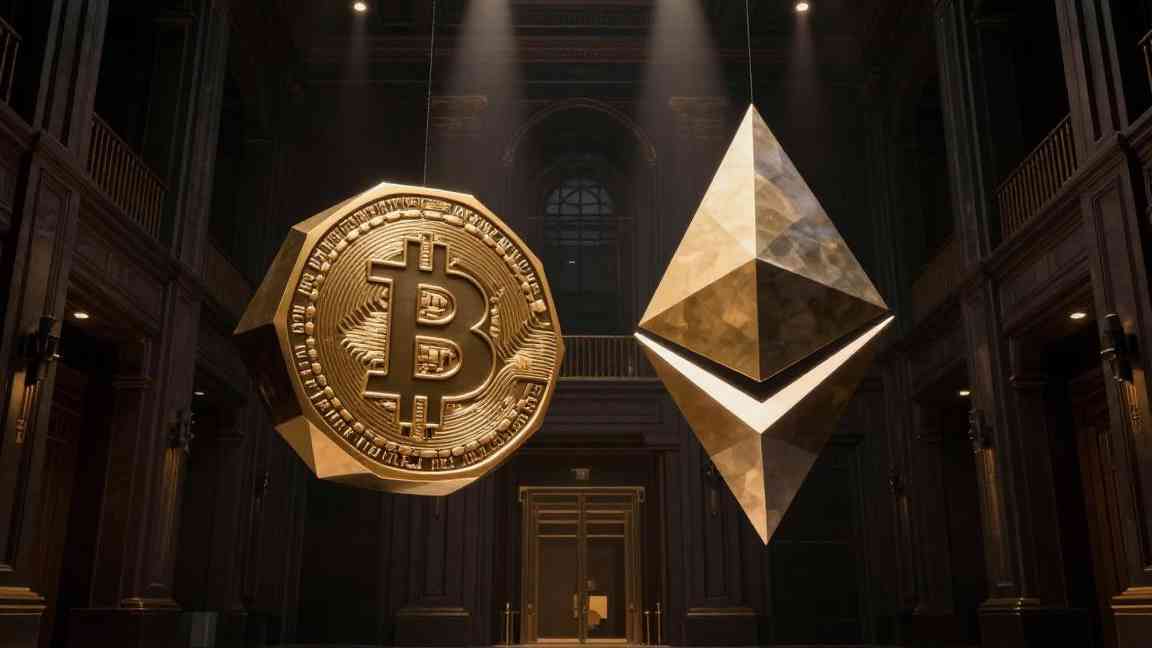
How Do Blockchain and Web3 Relate?
Blockchain is the technology that enables Web3. Just as the internet relies on protocols (HTTP, TCP/IP) to function, Web3 relies on blockchain to provide decentralization, security, and ownership. Without blockchain, Web3’s promise of "user control" would be impossible to achieve at scale.
Why Do These Terms Matter?
Understanding "blockchain" and "Web3" is more than a tech trend—it’s about recognizing how they could reshape industries. From eliminating bank fees (via decentralized finance) to letting artists earn from resales (via NFTs) to giving individuals control over their data (via decentralized social media), these concepts are laying the groundwork for a more democratic digital future.
In English, "blockchain" and "Web3" may sound complex, but their core ideas are simple: blockchain is a secure, shared ledger; Web3 is an internet owned by its users. As these technologies continue to evolve, they’ll likely play an increasingly central role in how we live, work, and interact online.